Driving Characteristics
In FRC, every win, draw or loss is contingent on the design choices you make. When it comes to excelling at the game, the number one priority for every team is to drive, and to do it well. For the drivetrain, decisions like mounting your 2x1s above or below your swerve module mounting holes or choosing your bellypan thickness all play a part in your results. So here are some driving characteristics which you should acknowledge when designing:
- Swerve drivetrains are built for maneuverability rather than a pushing tank, which would be the job of a tank drive
- Acceleration is prioritized in games which require lots of change of direction and a need for a fast top speed accumulation
- Tall robots which have a need for speed require heavier drive bases to maintain balance
Gearing
When you design a drivetrain, you can either gear it for torque or for speed
- If your drivetrain is geared too tall, that means it takes too long to reach top speed but has stronger traction
- Robots geared too high will do better with pushing (which can be thought of like torque)
- If your drivetrain is geared for top speed and acceleration, that means it is very fast and can reach its maximum velocity much quicker, but the tradeoff being that it won't win many pushing matches
- Prioritizes speed over torque
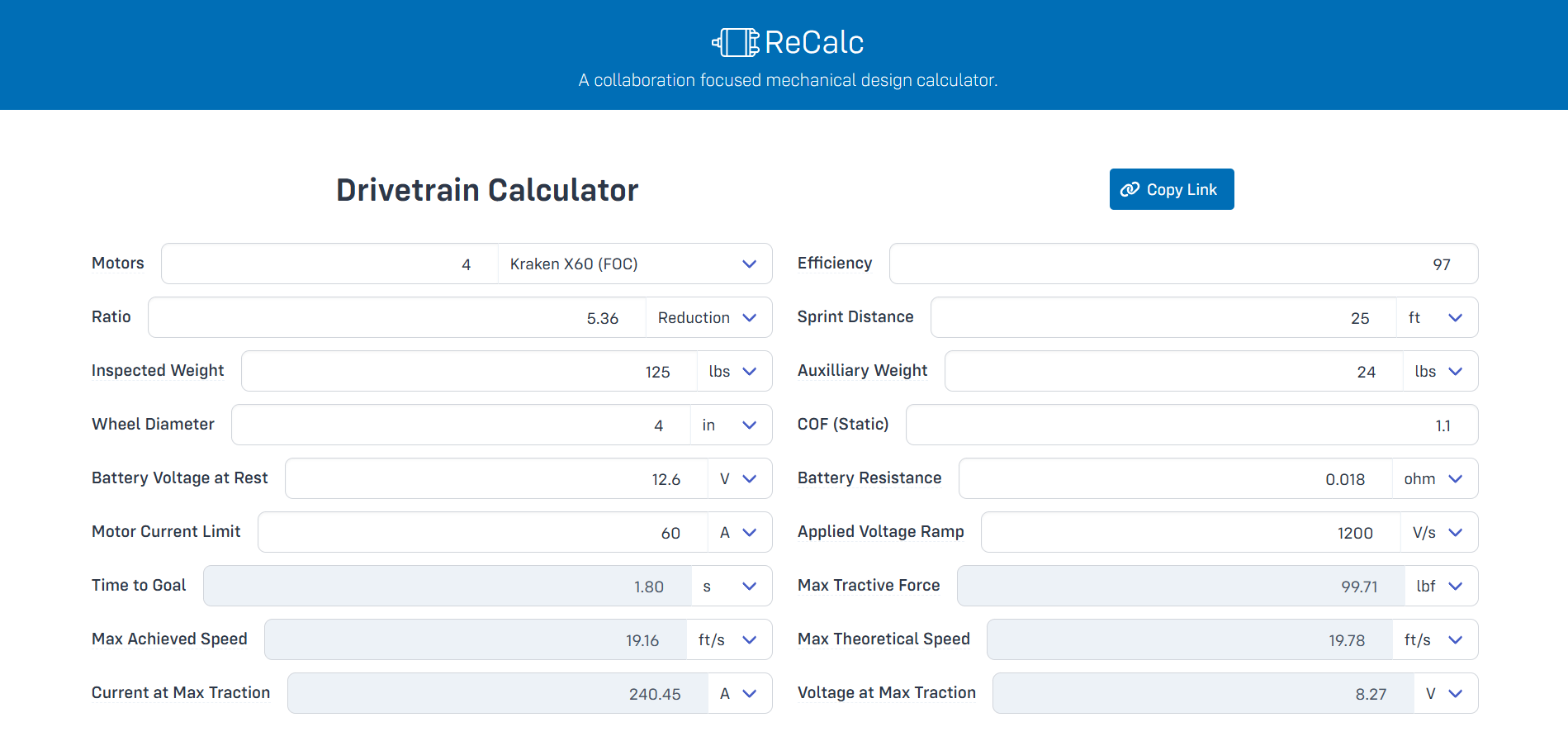
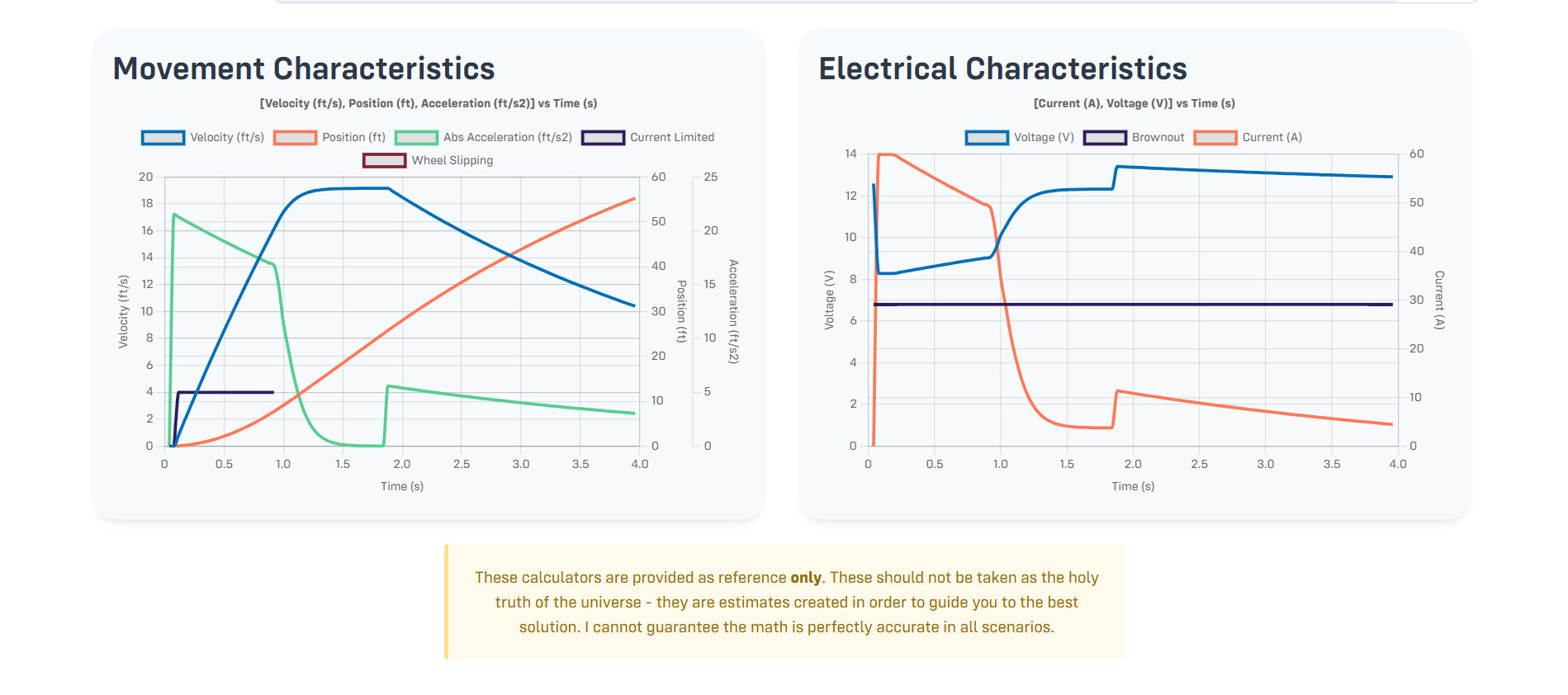
For a deeper dive into drive base design, refer to the Drivebase Design page in the Design Process book.