Fasteners
Learn about what holds robots and the field together
- Introduction to Fasteners
- Bolt and Nut vs. Tapped Hole
- Phillips Screws
- Washers
- Nylock Nuts
- Rivets
- Threadlocker
Introduction to Fasteners
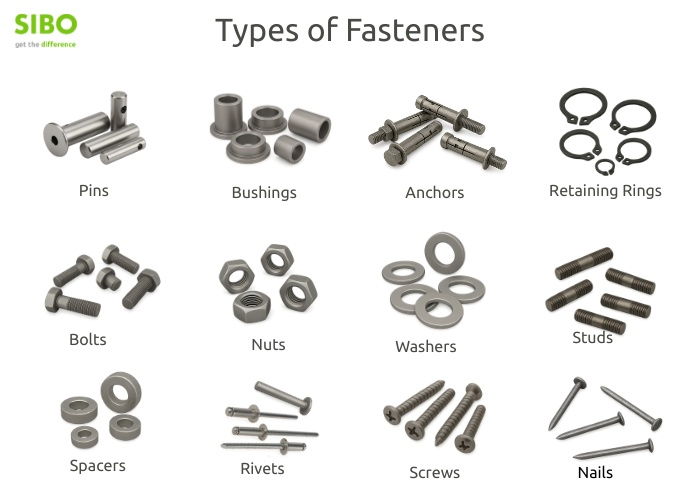
Fasteners are components used to mechanically join two or more parts together. In FRC, fasteners are essential for building rigid structures, attaching mechanisms, and allowing robots to be serviced and repaired efficiently.
Common types of fasteners include bolts, screws, rivets, nuts, and specialty locking hardware. Choosing the correct fastener affects strength, reliability, and how easily a robot can be maintained.
Bolt and Nut vs. Tapped Hole
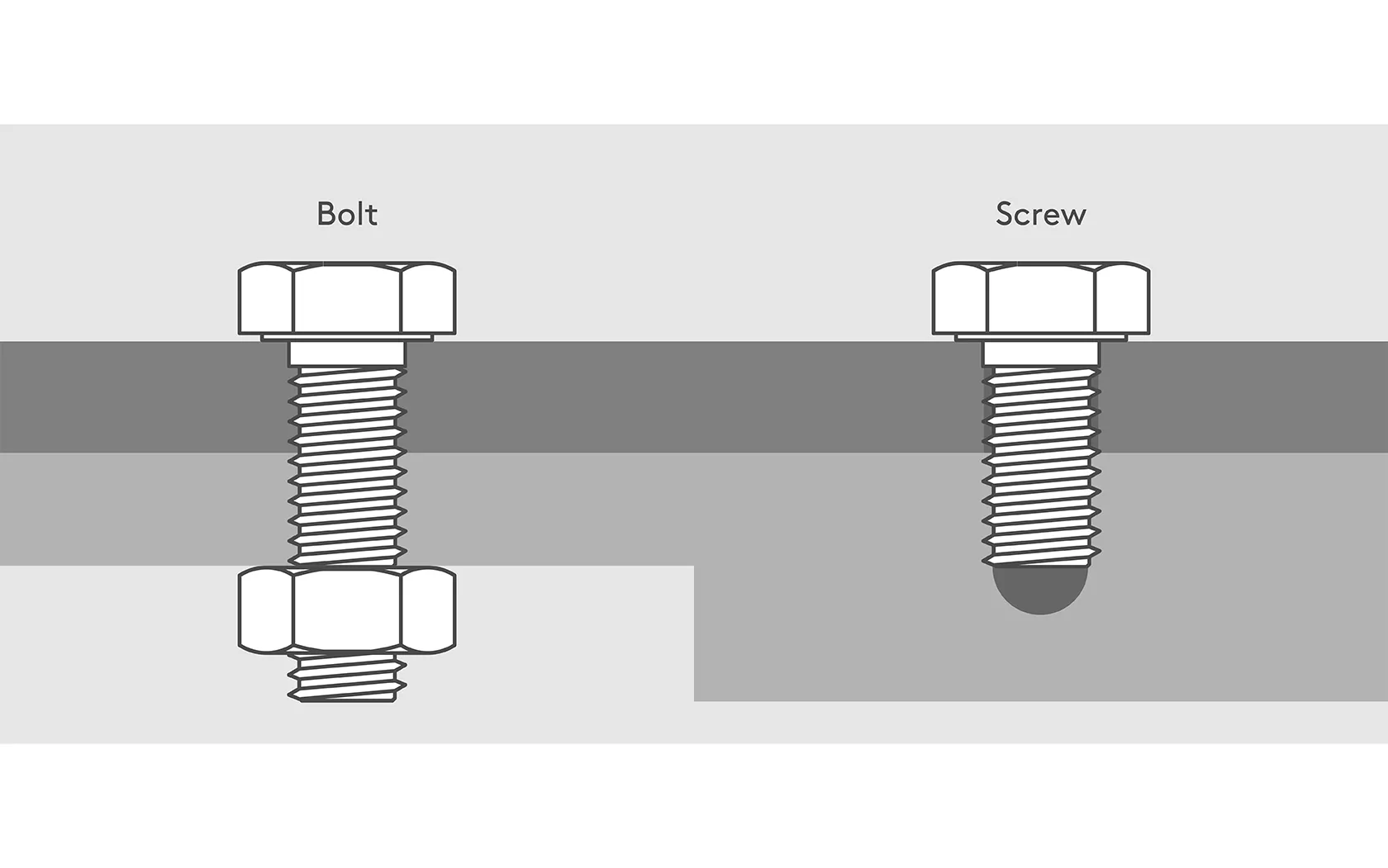
Bolt and Nut
A bolt passes through two or more materials and is secured with a nut on the opposite side.
Advantages:
- High strength connections
- Easy to replace damaged hardware
- Good for structural joints
Disadvantages:
- Requires access to both sides
- Can be slower to assemble
Tapped Hole
A tapped hole has internal threads cut into the material, allowing a screw to thread directly into the part.
Advantages:
- Only one-side access needed
- Clean and compact assemblies
Disadvantages:
- Threads can strip if over-tightened
- Not ideal for thin materials
Phillips Screws
Phillips screws are cross-head fasteners designed to allow controlled slipping (cam-out) under high torque.
Common driver sizes:
- PH0: Very small electronics
- PH1: Small screws and sensors
- PH2: Most common hardware
- PH3: Large fasteners
Correct Driver Fit
A proper driver:
- Fully fills the screw head
- Has minimal wobble
- Engages all four contact points
Signs of Incorrect Fit
- Stripping or rounding of the head
- Slipping during tightening
- Excessive force required
Using the correct driver size is one of the simplest ways to prevent hardware failure.
Washers
Washers are thin discs placed under fastener heads or nuts.
Flat Washers
- Distribute load over a larger area
- Prevent surface damage
Lock Washers
- Help resist loosening from vibration
- Less common in modern FRC than Nylock nuts
Fender Washers
- Extra-large diameter
- Used on thin materials like sheet metal or polycarbonate
Nylock Nuts
Nylock nuts contain a nylon insert that increases friction on the threads.
Advantages:
- Resist loosening due to vibration
- Reliable for moving mechanisms
- Common in robotics assemblies
Limitations:
- Nylon degrades under high heat
- Reuse is limited (loses effectiveness over time)
Rivets
Rivets are permanent mechanical fasteners used to join materials, especially aluminum.
Common sizes:
- 1/8 inch
- 3/16 inch
Advantages
- Lightweight
- Fast installation
- Strong in shear applications
Limitations
- Not removable without drilling out
- Requires correct grip range selection
Rivets are commonly used in chassis and sheet metal assemblies.
Threadlocker
When to Use
Use blue threadlocker when:
- Fasteners are exposed to vibration
- A joint must stay secure over time
- A Nylock nut is not practical
Polycarbonate Warning
Do not use threadlocker in contact with polycarbonate (Lexan) or other stress-sensitive plastics.
- It can cause cracking or “crazing” in the material
- It can weaken plastic parts over time
Instead, use:
- Nylock nuts
- Proper mechanical fastening methods (washers, spacers, correct bolt length)
Application
- Apply a small amount to metal threads only
- Avoid excess that could spread onto plastic
- Let the joint fully tighten before curing
Key Idea
Threadlocker is a backup for vibration resistance, not a replacement for proper fastener selection or good mechanical design.