Safety
How to maintain safety throughout your mechanical career.
Safety Glasses
As a mechanical engineer on the team you will be working in the shop constantly. The shop is a dangerous place for your eyes so in order to preserve your vision use safety glasses.
Particularly safety glasses with the code:
ANSI Z87
There are two types of safety glasses
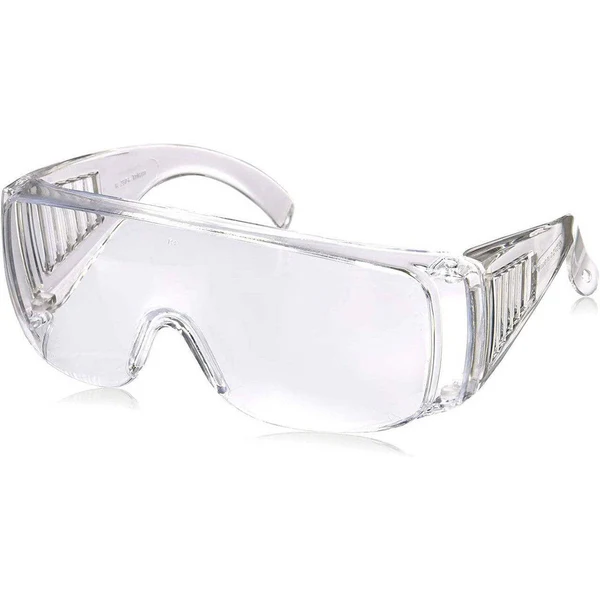
Over-Prescription Safety Glasses - This is for people who already have prescription glasses who want to wear safety glasses over them.
Safety Glasses - This is for people without prescription glasses.
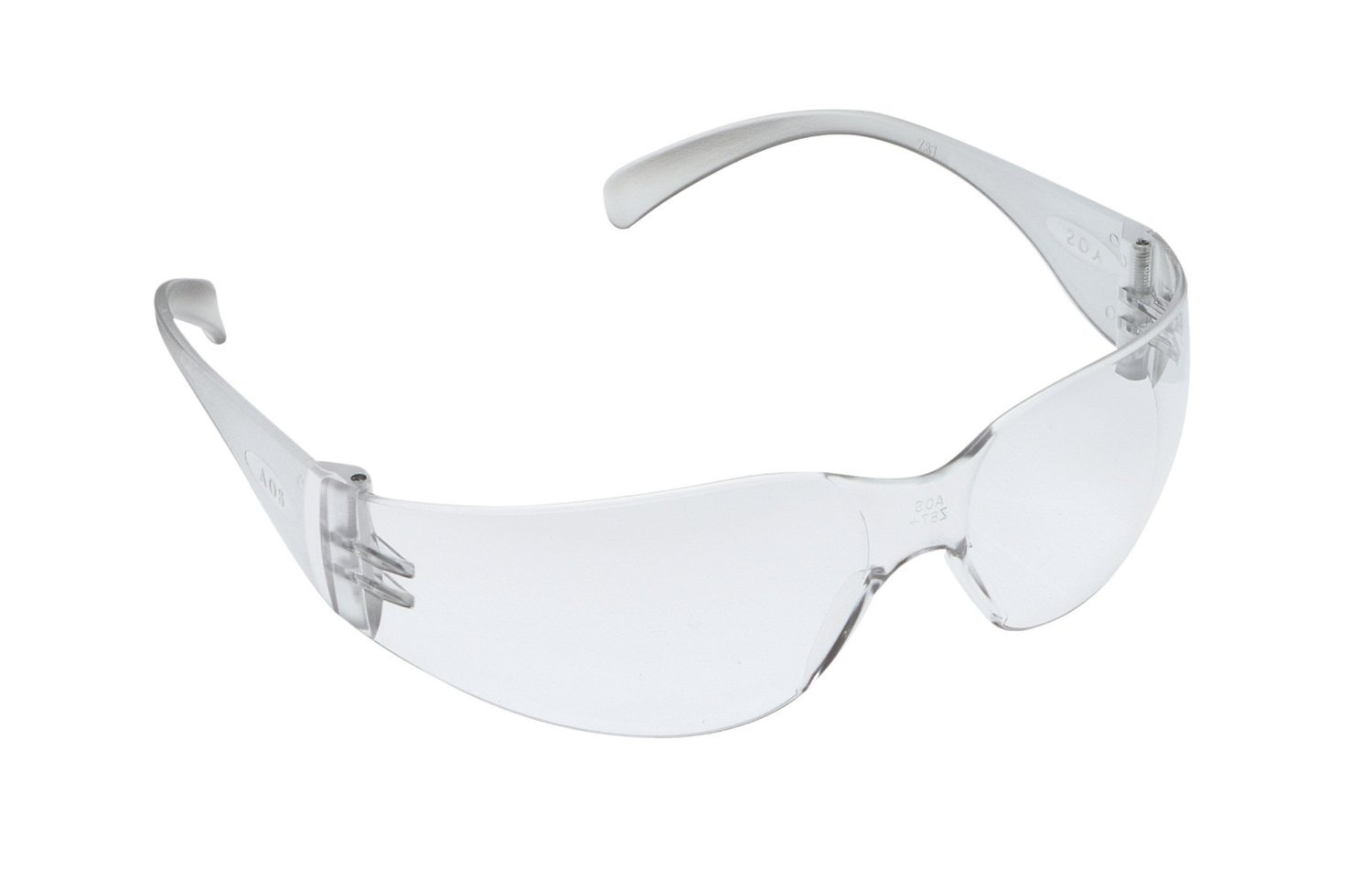
Make sure you do NOT bring black safety glasses to competition as FRC volunteers must be able to clearly see your eyes.
Clothing and Hair
Appropriate clothing and hair management are essential for maintaining a safe working environment. Loose clothing, jewelry, and unsecured hair can become caught in moving machinery, power tools, and rotating equipment, creating serious hazards.
Clothing Requirements
Students working in the shop must wear clothing that allows them to work safely around tools and machinery.
- Closed-toe shoes must be worn at all times. Sandals, flip-flops, and open-toed shoes are prohibited.
- Clothing should fit appropriately and should not have excessively loose sleeves, strings, or fabric.
- Hood strings, lanyards, and drawstrings should be removed, tucked in, or secured before operating equipment.
- Long pants are recommended when working with machinery, metal stock, or sharp materials
- Rings, bracelets, necklaces, and dangling earrings should be removed before working in the shop.
When working in the shop, don't use gloves unless you are lifting a sharp or heavy object. This is because gloves can get caught on rotating tools.
Hair Requirements
Long hair can easily become caught in rotating tools and machinery.
- Hair extending below the shoulders must be tied back or otherwise secured while working in the shop.
- Ponytails, braids, buns, or hair ties may be used to keep hair away from moving equipment.
- Hats or hair coverings may be worn if they do not interfere with safety glasses or other protective equipment.
Why These Rules Matter
Rotating machinery such as drills, saws, motors, and other equipment can quickly pull loose clothing or hair into moving parts. These incidents can occur in fractions of a second and may result in serious injuries.
Emergency Procedures
The safety of all team members is the highest priority. In the event of an emergency, students should remain calm, notify a mentor or team leader immediately, and follow established safety procedures. No student should attempt to handle a serious emergency alone.
Reporting an Emergency
If an injury, fire, or other emergency occurs:
- Stop all work immediately.
- Turn off and unplug any operating machinery if it is safe to do so.
- Alert nearby students and mentors.
- Contact a mentor, teacher, or designated safety captain.
- Follow instructions from supervising adults and emergency personnel.
Medical Emergencies
For serious injuries:
- Do not move the injured person unless they are in immediate danger.
- Notify a mentor or teacher immediately.
- Call emergency services if necessary.
- Keep the area clear to provide space for responders.
- Remain with the injured person until help arrives.
For minor injuries:
- Report the injury to a mentor or safety captain.
- Use the first aid kit as directed by an adult.
- Even small cuts or burns should be cleaned and treated promptly.
Fire Emergencies
If a fire occurs:
- Alert everyone in the shop immediately.
- Activate the building fire alarm if necessary.
- Evacuate the area using designated exits.
- Do not attempt to fight a fire unless you have been trained and it is safe to do so.
- Move to the designated meeting location outside the building.
- Do not re-enter the building until authorized by emergency personnel.
Battery Emergencies
Robot batteries contain significant stored energy and can become dangerous if damaged.
- If a battery is smoking, leaking, or overheating, notify a mentor immediately.
- Keep people away from the battery.
- Use appropriate battery handling procedures and approved fire suppression methods if trained to do so.
- Do not touch damaged batteries without proper protection.
Chemical Spills
If lubricants, adhesives, cleaning products, or other chemicals spill:
- Notify a mentor immediately.
- Keep students away from the affected area.
- Follow the instructions for the specific material if available.
- Clean the spill only if authorized and properly equipped.
Evacuation Procedures
When instructed to evacuate:
- Stop work immediately.
- Turn off equipment if it is safe to do so.
- Leave tools and materials behind.
- Walk calmly to the nearest exit.
- Proceed to the designated meeting location.
- Remain with the team until attendance has been taken.
Emergency Equipment Locations
All team members should know the locations of:
- First aid kits
- Fire extinguishers
- Emergency exits
- Eye wash stations (if available)
- Emergency contact information
After an Incident
Any injury, near miss, equipment failure, or unsafe condition should be reported to a mentor or safety captain. Reporting incidents helps the team improve safety procedures and prevent future accidents.